Calcium Sulfate in Food Processing: Applications in Tofu and Other Products
What Is Calcium Sulfate?
Calcium sulfate — mined as gypsum — can be chemically synthesized or mined. As food additive, it is used as coagulant in tofu production (the original petitioned use), and also as nutrient, dough conditioner, sequestrant, jelling aid, firming agent, leavening agent, and pH buffer. Use of gypsum as tofu coagulant can be traced back at least 2000 years.
Listed as E516 in European food additive code and used primarily as firming agent, stabilizer, and coagulant. In tofu production, calcium sulfate acts as coagulant, helping to solidify soy milk into firm blocks of tofu that are staple in many diets, especially in Asian cuisine.
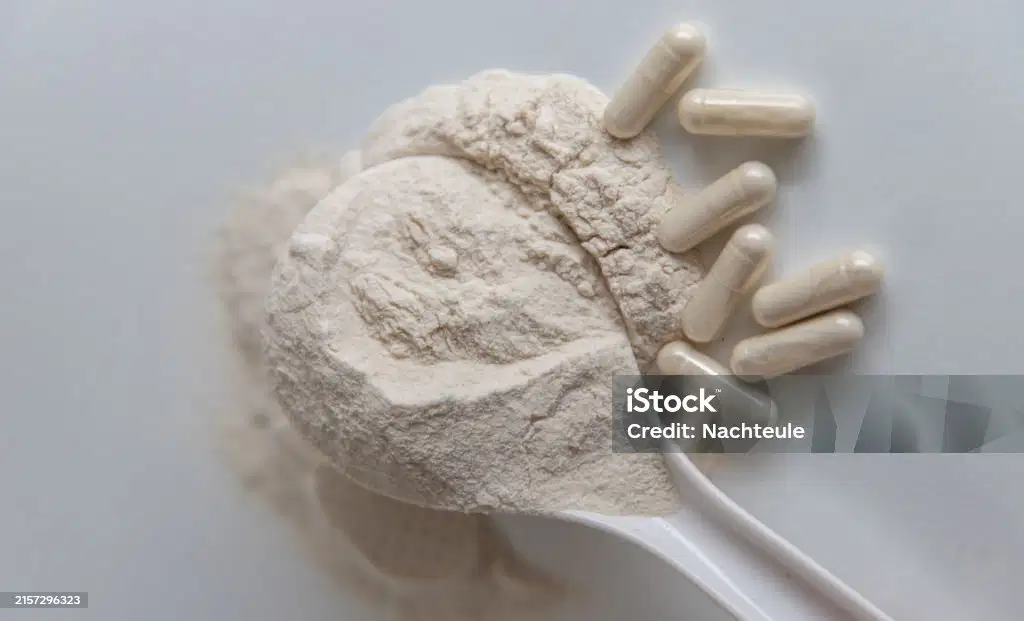
Very fine free flowing odourless and tasteless white powder. CAS 7778-18-9 for anhydrous; dihydrate form also common. Food Grade FCC E516. Hydrous calcium sulphate is high purity form of gypsum. Functional family: calcium salt, firming agent, tofu coagulant, anticaking agent, flour treatment aid, pH-control aid, mineral source, processing aid and texturizer.
Primary Application: Tofu Coagulation
How It Works
Calcium sulfate is used in tofu making to coagulate protein in soy milk, giving it solid structure. Natural mineral, compared with other coagulants (such as magnesium chloride, magnesium sulfate), easier to be absorbed by human body and more beneficial to health.
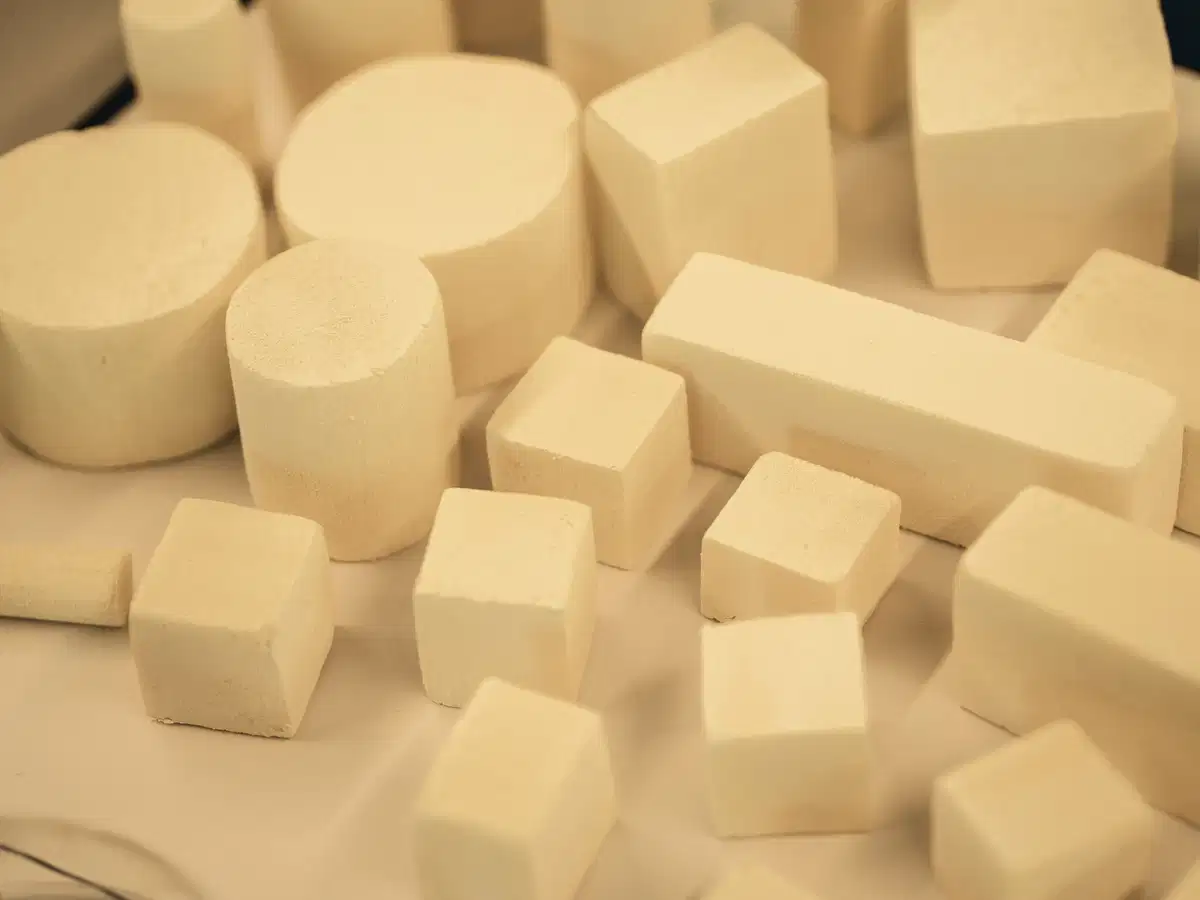
Tofu made by coagulating soybean milk and then pressing resulting curds into solid blocks. Common coagulants include calcium sulfate (gypsum), magnesium chloride (nigari), or citric acid. Calcium sulfate (CaSO4) or magnesium sulfate (MgSO4) added as coagulant to cause precipitation and coagulation of soy protein.
Gypsum vs Nigari – Texture Differences
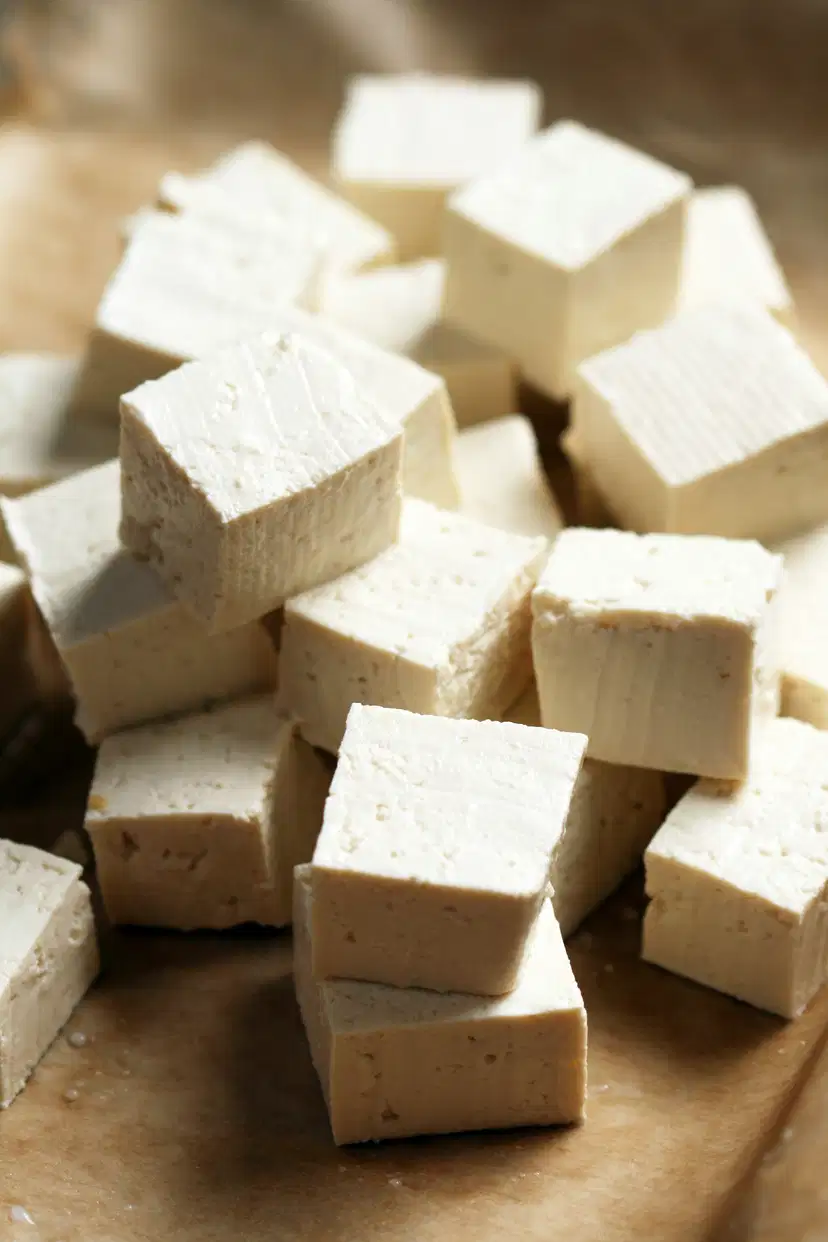
Calcium sulfate (gypsum) (Chinese: 石膏; pinyin: shígāo) is traditional and most widely used coagulant to produce Chinese-style tofu, it produces tofu that is tender but slightly brittle in texture. Coagulant itself has very little noticeable taste. Also known as gypsum, calcium sulfate quarried from geological deposits, and no chemical processing or refining needed, making it cheapest coagulant used in tofu production.
Tofu nigari produces tofu with creamy, smooth texture and delicate flavor. Gypsum produces firmer texture than tofu nigari and often used in recipes that require tofu to hold its shape, such as tofu steaks or sausages. Both natural coagulants, healthier choices than synthetic coagulants.
Traditional and most widely used coagulant to produce Chinese-style tofu. Produces tofu that is tender but slightly brittle. Coagulant itself has no perceivable taste. Use also makes tofu rich in calcium. As such many tofu manufacturers choose to use this coagulant to be able to market tofu as good source of dietary calcium.
Yield studies: Yield of tofu was highest with calcium sulphate (565.7 g) and lowest with alum (442 g). Hardness ranged 525.6 to 1008 g. Prabhakaran et al explored effects of different coagulants on isoflavone retention in tofu, identified calcium sulfate as most suitable, evidenced by high yield, high isoflavone retention ability, and superior tofu texture.
Soft tofu research: Soft tofu made using two coagulants (calcium sulfate and modified nigari), three stirring speeds, six stirring times. Tofu made from modified nigari had lower textural parameter values than those made from calcium sulfate. Tofu made by highest stirring speed had lower yield but higher brittleness force, hardness and elasticity.
Lentil tofu studies: Both hardness (62.8 g) and cohesiveness (17.7 g force) of lentil-based tofu increased significantly with addition of 4 mM calcium sulfate. Addition of 12 mM calcium sulfate had highest hardness (67.5 g), approximately 1.3-fold that without calcium sulfate.
However residual undissolved calcium sulfate in tofu or rapid release of magnesium chloride often leads to coarse texture, sign of poor quality. Proper dissolution and stirring technique critical.
Practical Dosage for Tofu
Industry typical: 1.5 to 3% of dry soybean weight, or about 3-4g per liter of soy milk for firm tofu. For soft tofu lower – about 2-2.5g per liter. Dissolve in small amount of water before adding, add to soy milk at 75-80°C, gentle stirring, rest 15-20 minutes before pressing.
Improves calcium content – marketing as calcium-fortified tofu – 100g tofu with gypsum can provide 20-30% daily calcium.
Other Food Processing Applications
Firming Agent in Canned Vegetables and Fruits
Commonly used in tofu production, as firming agent in canned vegetables, and as source of calcium in fortified foods. Calcium sulfate's role as safe and effective food additive is another growth driver.
Canned tomatoes, potatoes, carrots: Maintains firmness during thermal processing – prevents mushiness
Pickles and olives: Alternative to calcium chloride for crunch, though calcium chloride more common – see comparison: Calcium chloride firming agent in pickles, cheese, canned vegetables; calcium sulfate coagulant/firming in tofu, canned tomatoes, bread, beer
Canned legumes: Helps beans retain shape
Typical use: 0.02-0.1% of finished product weight.
Dough Conditioner and Flour Treatment
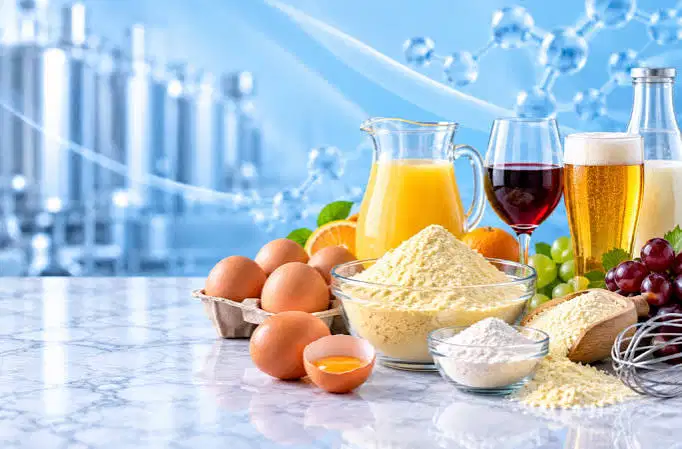
Hydrous calcium sulphate can be used in beer and food processes. Such uses include as dough conditioner, firming agent and dietary supplement in baking. It can also be used as stabilizer, thickener, and coagulant such as in tofu.
Supplies calcium to enriched flour, cereals, baking powder, bread conditioners and cake icing
Improves dough handling, strengthens gluten network slightly
In yeast-raised doughs: Provides calcium ions that regulate yeast activity and improve crust color
In tortillas and flatbreads: Reduces stickiness, improves sheeting
Usage: 0.1-0.5% flour basis, per FDA 21 CFR 184.1230 – GRAS.
Brewing Industry
Calcium sulphate is used to increase calcium content of water for brewing beers. Known as Burton salts – adds permanent hardness to water, lowers pH, enhances enzyme activity during mashing, improves hop bitterness extraction, helps yeast flocculation. Used as filter and helps fermentation process.
Typical addition: 50-200 ppm calcium in brewing liquor.
Dairy and Cheese
Cheese making: Firming aid, helps curd formation – especially in tofu-cheese hybrids and vegan cheese – from tofu production to vegan cheese
Mozzarella, processed cheese: Calcium source without adding sodium
Meat Products
Tofu industry – act as coagulator while making tofu. Meat product – act as thickening agent and coagulant while supplying calcium.
Sausages and restructured meats: Improves water binding, texture
Canned meats: Firming
Other Specialty Uses
Edible casings and gels: Jelling aid in pectin-based confections
Leavening acid component: In some baking powders, provides calcium
Anticaking agent: In grated cheese, spices, salt blends – prevents clumping
Nutrient supplement: Calcium fortification in soy milks, juices, plant-based yogurts – tasteless, low solubility avoids chalkiness
pH buffer and sequestrant: Stabilizes color in canned goods
Regulatory Status and Safety
US FDA: GRAS – 21 CFR 184.1230 – direct food substance – allowed as firming agent, dough conditioner, nutrient supplement, coagulant
EU: E516 – permitted in wide range of foods – quantum satis in many categories, specific limits in others
Organic: Allowed in organic tofu production per USDA organic – original petitioned use as coagulant – mined gypsum considered non-synthetic
Safety: Very low toxicity – LD50 high – odourless and tasteless – no ADI specified by JECFA – beneficial calcium source – compared with magnesium chloride, easier absorbed
Choosing Coagulant for Your Product
For Chinese-style firm tofu intended to hold shape for stir-fry, steaks, or further processing – calcium sulfate preferred for tender but slightly brittle texture, higher yield, calcium enrichment claim, low cost, little taste.
For silken or Japanese-style soft tofu requiring creamy smooth texture and delicate flavor – nigari (magnesium chloride) gives softer, smoother curd.
Many commercial producers blend coagulants – e.g., 70% calcium sulfate + 30% nigari – to balance firmness and creaminess while retaining calcium claim.
Working Source Links:
Calcium sulfate—mined as gypsum – As food additive used as coagulant in tofu production, nutrient, dough conditioner, sequestrant, jelling aid, firming agent – https://ams.usda.gov
Calcium Sulfate in the Food Industry: From Tofu Production to Vegan Cheese – E516 firming agent, stabilizer, coagulant – https://blog.chemondis.com
Tofu: Difference – Calcium sulfate (gypsum) traditional and most widely used coagulant to produce Chinese-style tofu, tender but slightly brittle, very little noticeable taste, cheapest – https://en.wikipedia.org
Uncover The Truth: Tofu Nigari Vs Gypsum – creamy smooth vs firmer texture requiring shape – https://cookupexperts.com
Corn Steep Liquor CAS: 66071-94-1