Maltodextrin: Applications in Powdered Foods, Beverages and Encapsulation
What Is Maltodextrin?
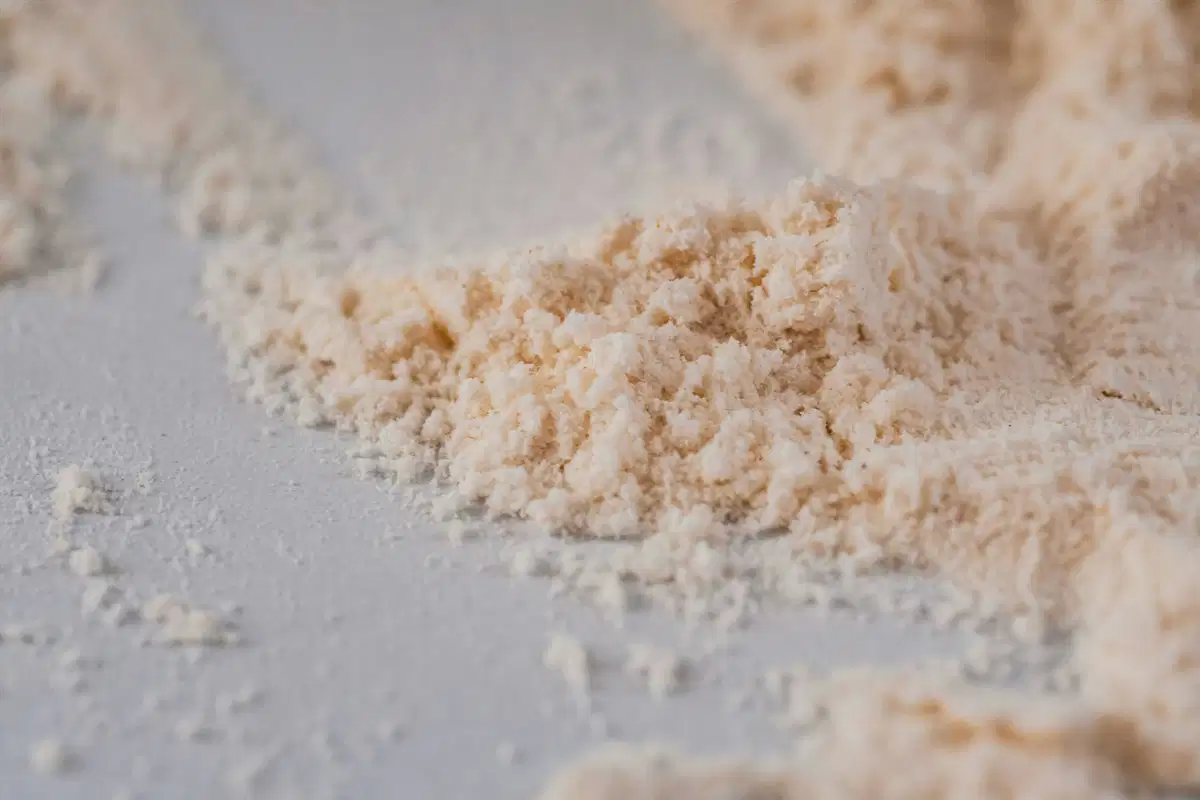
Maltodextrin is white powder derived from starch. Used as texturing agent and to increase specific gravity in beers. Also used as food additive in fast food, dewatered vegetables, tinned food, beverages. Possessing superior water solubility, preferred for ability to disperse easily in liquids, thereby enhancing viscosity of sauces, dressings, gravies. Functions as bulking agent in powdered goods like sports drinks, desserts, infant formulas. Plays crucial role in upholding overall quality, stability, sensory properties of processed foods.
Starch hydrolysis product with dextrose equivalent (DE) less than 20 and widely used in microencapsulation because of high solubility and ability to form low-viscosity solutions at high concentrations. Water soluble, where used as texture modifier, gelling agent, fat substitute, volume enhancers, cryoprotectants and to extend product shelf life, primarily as encapsulation matrix.
Quick DE – Application Match: Low DE (3–10): Fat replacer systems, ice cream (ice crystal control), encapsulation carriers, high-viscosity sauces/dressings, fruit coatings. Mid DE (10–15): Dry pet food binder, bakery (cookies, cakes, muffins), powdered beverage mixes, nutritional products, general food applications.
Applications in Powdered Foods
Why Ideal for Powders
Additionally, maltodextrin functions as bulking agent in powdered goods like sports drinks, desserts, infant formulas. Organic malto dextrin functions as low-sweetness bulking agent in nutritional powders, encapsulation matrix for flavors/supplements, texture modifier in gluten-free bakery, and soluble fiber source in beverages (5-10% inclusion).
Low sweetness: Allows high solids without excessive sweetness – ideal for powdered soups, sauces, seasoning blends
Excellent carrier function and fluidity without starch abnormal odor and does not cover other original tastes and fragrances: So it can find use in many kinds of powder flavors, cosmetics
High solubility: 98% solubility – disperses instantly even in cold water
Anti-caking: Improves flowability of hygroscopic powders
Volume enhancement: Adds body without sweetness
Specific powdered food uses:
Instant soups, sauces, gravies, dressings: Texture modifier, bulking, improves dispersibility – enhancing viscosity – without altering flavor – improves texture, shelf life, body
Seasoning blends and spice mixes: Carrier for flavors, prevents clumping – used in snacks, instant foods
Powdered desserts, puddings, custards: Bulking agent, improves mouthfeel, extends shelf life
Infant formula and nutritional powders: Low-sweetness energy source, easily digestible
Bakery mixes (cookies, cakes, muffins): Mid DE 10-15 used – improves moisture retention, volume
Coffee whiteners, powdered creamers: Bulking, fat replacer, improves whitening
Sports nutrition and protein powders: Dispersant, improves mixability, adds body without excessive sweetness – having maltodextrin in stock prevents production delays during peak manufacturing – used in snacks, instant foods, beverages, sauces
Dosage: 5-40% depending on application – in seasoning 10-30%, in instant soup 20-50% as main filler.
Fat Replacement and Texture
Lower DE maltodextrin can easily become gel in solution which tastes similar to oil. Very good coverage, sorption and viscosity so can be used – Fat replacer systems – ice cream ice crystal control – high-viscosity sauces. When cooked at 15-25% solids, low DE forms thermo-reversible gel mimicking fat mouthfeel – used in low-fat mayonnaise, dressings, dairy desserts, ice cream.
Improving taste, tenacity and structure of foods, preventing recrystallization and extending shelf life.
Applications in Beverages
Bulking and Body
Maltodextrin in beverage production – versatility extends to beverage industry, where serves various functions. Role as bulking agent – adds body and substance to liquid formulations, particularly in fruit juices, powdered drink mixes, energy drinks. Allows manufacturers to create visually appealing and satisfying beverages.
Beverages scientifically prepared with maltodextrin, which add more flavor, soluble, consistent and delicious, and reduce sweet taste and cost. Advantages over traditional drinks and foods such as ice-cream, fast tea and coffee.
Powdered drink mixes, iced tea, instant coffee: Main carrier – improves solubility, reduces sweetness, adds body – organic malto dextrin soluble fiber source in beverages (5-10% inclusion rate) – powdered beverage mixes mid DE
Energy and sports drinks: Provides quick but sustained energy – lower osmolality than glucose – less sweet – reduces sweet taste and cost – ideal for isotonic formulations
Fruit juices and nectars: Increases mouthfeel, masks acidity, improves cloud stability
Protein shakes, meal replacements: Bulking, improves texture, prevents chalkiness
Dairy-based beverages, flavored milk: Stabilizer, improves body
Other Beverage Benefits
Emulsification: Helps stabilize flavors and colors
Prevents recrystallization: In frozen beverages and concentrates
Cost reduction: Replaces more expensive sugars or hydrocolloids while maintaining solids
Applications in Encapsulation – Core Strength
Why Maltodextrin Is Leading Encapsulation Matrix
One of most common carriers used for powder production is maltodextrin. From technological point of view, maltodextrin is better carrier agent when compared to e.g., inulin, as maltodextrin has lower potential to condense solution before spray-drying process.
Maltodextrin starch hydrolysis product DE less than 20 widely used in microencapsulation because of high solubility and ability to form low-viscosity solutions at high concentrations – can be spray-dried at 40-50% solids with low viscosity, saving energy.
For spray-dried encapsulation, lower DE higher retention of volatile compounds, and better protection from oxygen and high temperatures.
Encapsulation Applications
Flavor encapsulation: Most common – citrus oils, vanilla, spices, savory flavors – wall solutions consisting of Capsul, maltodextrin (MOR-REX 1920, DE 19-22) or mixture – prepared in deionised water (65% solids) – spray-dried to protect volatile flavor, convert liquid flavor to free-flowing powder – gum, milk powder, jellies, pet foods, breakfast cereals, products with low water activity – encapsulation extends shelf life
Color and vitamin encapsulation: Ascorbic acid microencapsulation in maltodextrin and Capsul using spray-drying – protects vitamin C from oxidation, masks metallic taste, improves stability – similar for beta-carotene, curcumin
Oil and fat encapsulation: Fish oil, essential oils, MCT oil – maltodextrin + modified starch (Capsul) blend provides oxygen barrier – prevents rancidity
Probiotic and enzyme encapsulation: Protects sensitive microorganisms during processing and storage
Sweetener encapsulation: Encapsulated salt, acids for controlled release in chewing gum and bakery
Formulation for Encapsulation
DE choice: Low DE 3-10 best retention of volatiles, oxygen barrier, high temperature protection – high-viscosity sauces – encapsulation carriers – Mid DE 10-15 general food – High DE 15-20 more soluble but less protective, better flavor release
Blend systems: Often blended with gum arabic, modified starch (Capsul, Hi-Cap), whey protein – improves emulsification and retention – Dynamic release of loaded flavor during storage and powder rehydration studied – maltodextrin/whey protein spray-dried powder microcapsules
Solids content: 30-50% wall material in feed solution – low viscosity at high concentrations allows high throughput
Process: Emulsify core in wall solution, spray-dry inlet 180-200°C outlet 80-90°C – produces spherical free-flowing powder
Additional Food Applications
Confectionery: Improving taste, tenacity and structure, preventing recrystallization and extending shelf life
Bakery: Cookies, cakes, muffins – texture modifier, fat replacer
Dairy and ice cream: Ice crystal control, body, prevents recrystallization
Pet food: Dry kibble binder – mid DE
Pharmaceuticals and cosmetics: Carrier, filler, binder
Choosing Right Maltodextrin
Low DE 3-10: Best for encapsulation, fat replacement, ice crystal control, high-viscosity sauces, fruit coatings – highest protection
Mid DE 10-15: Bakery, powdered beverage mixes, nutritional products, general food, dry pet food – balanced solubility and body
High DE 15-20: High solubility, quick energy, more sweetness – instant drinks, confectionery, energy products – MOR-REX 1920 DE 19-22 commonly used for flavor encapsulation
Advantages: Very good carrier function and fluidity without starch abnormal odor and does not cover other original tastes and fragrances – superior water solubility – disperses easily – enhances viscosity – bulking agent – extends product shelf life, upholding quality, stability, sensory properties.
Working Source Links:
Where Does Maltodextrin Work Best? – For spray-dried encapsulation, lower DE higher retention of volatile compounds, better protection – Quick DE Application Match Low DE 3-10 Encapsulation carriers – Mid DE 10-15 Powdered beverage mixes Bakery – https://linkedin.com
Maltodextrin Market Trends – Possessing superior water solubility, preferred for ability to disperse easily, enhancing viscosity – bulking agent in powdered goods like sports drinks, desserts, infant formulas – https://adroitmarketresearch.com
Maltodextrin is starch hydrolysis product DE less than 20 widely used in microencapsulation because high solubility and ability to form low-viscosity solutions at high concentrations – https://mdpi.com